
The Real Questions Buyers Ask Before Building a Custom Home
And the Honest Answers Most New Construction Buyer’s Agents Don’t Give

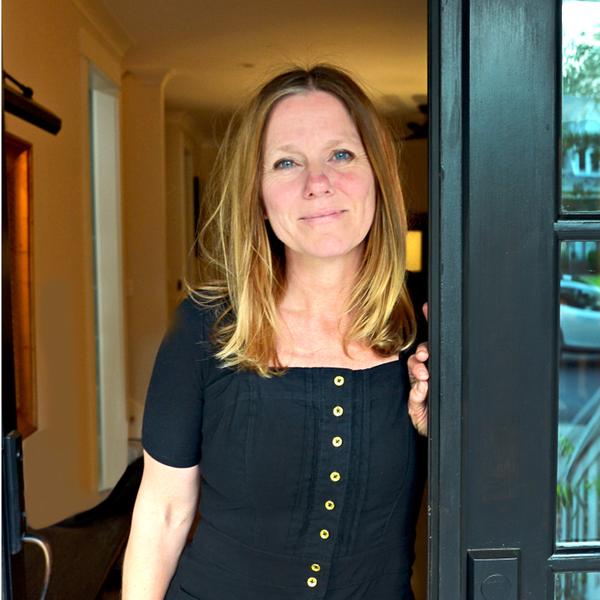
Written by Roxanne Hale, Broker, New Construction Buyer’s Agent, Brokered by RealtySouth
Custom home conversations usually start with dreamy phrases like, “We just want something exactly like what we want,” and end with someone standing in a tile showroom, clutching a carefully curated inspiration binder and weeping.
If you’re considering building — whether that means true custom, neighborhood production, or something in between — these are the questions you should be asking before you fall in love with a floor plan, a lot, or a builder’s Instagram feed.
Let’s get into it.
What’s the difference between a production builder and true custom?
This question filters people faster than a pre-approval letter.
Production builders are the efficiency experts. They build the same plans repeatedly, in the same neighborhoods, with controlled options. That’s not a knock — it’s how they keep pricing predictable and timelines tighter. You choose from a menu. Think “very good restaurant, limited substitutions.”
Semi-custom builders live in the gray area. You’re starting with a base plan, but walls can move, ceilings can grow, and finishes go far beyond the standard package. There are guardrails, but they’re padded.
True custom builders start with a blank sheet of paper. Or a cocktail napkin. Or sometimes a client’s wildly detailed sketch that looks like it was drawn at midnight after two glasses of wine.
Here’s the real difference buyers don’t always realize:
- Control: Increases as you move toward custom
- Flexibility: Same
- Decision load: Also increases (significantly)
- Budget predictability: Decreases
I’ve seen buyers say they “want full control” and then freeze when asked to choose between two white paints. Control sounds sexy until it’s 37 decisions deep on a Tuesday.
This isn’t about right or wrong — it’s about fit.

When should someone talk to a builder — before or after buying a lot?
Short answer: before.
Longer answer: please, for the love of sanity, before.
One of the most common (and expensive) mistakes I see is buyers falling in love with a lot first… and then trying to force a house onto it like a square peg into a very expensive round hole.
Slope, setbacks, utilities, soil conditions, drainage, tree restrictions — lots have opinions. Strong ones.
In established luxury communities —where architectural standards matter — this is even more critical. The lot doesn’t just need to fit your house. Your house needs to fit the neighborhood’s vision.
The smartest buyers loop in a builder early, even if they haven’t committed yet. That doesn’t mean pressure. It means protection.
I’ve had buyers call AFTER closing on land (without me) and say, “So… turns out the house we wanted won’t fit.”
That’s a conversation no one enjoys.

How much flexibility do buyers really have in a custom build?
Let’s say the quiet part out loud.
Yes — you have flexibility.
No — unlimited changes are not smart.
Great builders use guardrails, not because they’re rigid, but because they’ve already paid the tuition on mistakes buyers haven’t made yet.
Moving walls? Often doable.
Changing rooflines mid-stream? Possible — and expensive.
Redesigning mechanical layouts after framing? That’s how budgets quietly explode.
The best custom experiences happen when buyers understand that restraint is a feature. Guardrails keep timelines intact, subcontractors sane, and marriages intact.
I once watched a buyer insist on redesigning a primary bath three separate times. The bath won. The schedule did not.
Read All About Building in Five Oaks: https://blog.chime.me/www-soldbyarthouse-com/2025/10/27/building-your-dream-in-five-oaks-vestavia-hills-al-the-centennial-homes-process/

What does the custom home timeline realistically look like?
If someone promises you speed, ask what they’re cutting.
A realistic custom timeline often looks like this:
- Design & planning: 2-3 months (client dependent!)
- Permits & approvals: 1-2 month but highly variable (and humbling)
- Construction: 9–12 months (sometimes more)
And that’s assuming:
- No major material delays
- No dramatic scope changes
- No acts of nature or permitting drama
The clients who enjoy the process are the ones who understand that predictability beats promises. Builders love these clients. So do agents. So do spouses.
What drives the biggest cost differences in luxury custom homes?
The biggest cost drivers are rarely the things people gush over on Instagram.
They’re structural.
- The LOT!! (and topography)
- Size of the Home
- Architectural intricacy
- Window packages (performance matters)
- Roofing systems
- Mechanical systems (HVAC, insulation, energy efficiency)
- Foundation complexity
Kitchens and baths can move the needle, but not always in the way people think. A thoughtfully designed kitchen with smart cabinetry often outperforms a flashy one stuffed with trends that age poorly.
Where money shows:
- Ceiling height and proportions
- Natural light
- Flow
Where money doesn’t always show:
- The most expensive tile in the showroom
- Over-customizing for personal quirks
Building clients who understand this tend to build homes that age gracefully — and appraise better later.
How involved does a buyer need to be during the build?
Enough to care. Not enough to micromanage. Decision fatigue is real. Delegation is not a failure — it’s a strategy.
The most successful builds happen when buyers:
- Make key decisions early
- Trust their team
- Know when to step back
Your builder builds houses for a living. Your agent manages process, expectations, and translation. When those roles are respected, the buyer gets to enjoy the fun parts without drowning in daily choices.
I’ve seen clients who toured the job site weekly and clients who popped in quarterly. Both worked — because the team was right.
Is custom building only for forever homes?
Not at all.
In well-planned luxury communities, thoughtful custom homes often hold value better than existing homes — especially when architectural consistency is protected.
Buyers relocating or planning for a 5-7 year horizon are often surprised to learn that a well-designed custom home doesn’t scream “personal project.” It whispers quality.
Homes that age well:
- Respect scale
- Avoid hyper-trends
- Prioritize function
Those homes resell. Quietly. Confidently.
Who is not a great fit for a custom build?
This might be my favorite question.
Custom building is not ideal if:
- You need immediate gratification
- You hate making decisions
- You expect perfection without compromise
- You want constant changes without consequences
Being honest about fit protects everyone involved — especially the buyer. Custom building isn’t about control. It’s about collaboration.
Final Thought
The best custom homes aren’t the biggest or the flashiest.
They’re the ones where the process was respected as much as the product.
And when buyers understand that going in?
That’s when building becomes a dream experience instead of exhausting.
Categories
Recent Posts


GET MORE INFORMATION